The Roast Issue
Coffee,
set in type.
We believe a good cup of coffee deserves to be set in type. From the highlands of Yirgacheffe to the ceramic cup in your hand, every batch has an origin, a temperature, a date. We print our roast logs as a magazine and write flavor as sentences you can read word by word. This issue: fire, time, and patience.
Chapter One
Heat is the only rhetoric
The Roast
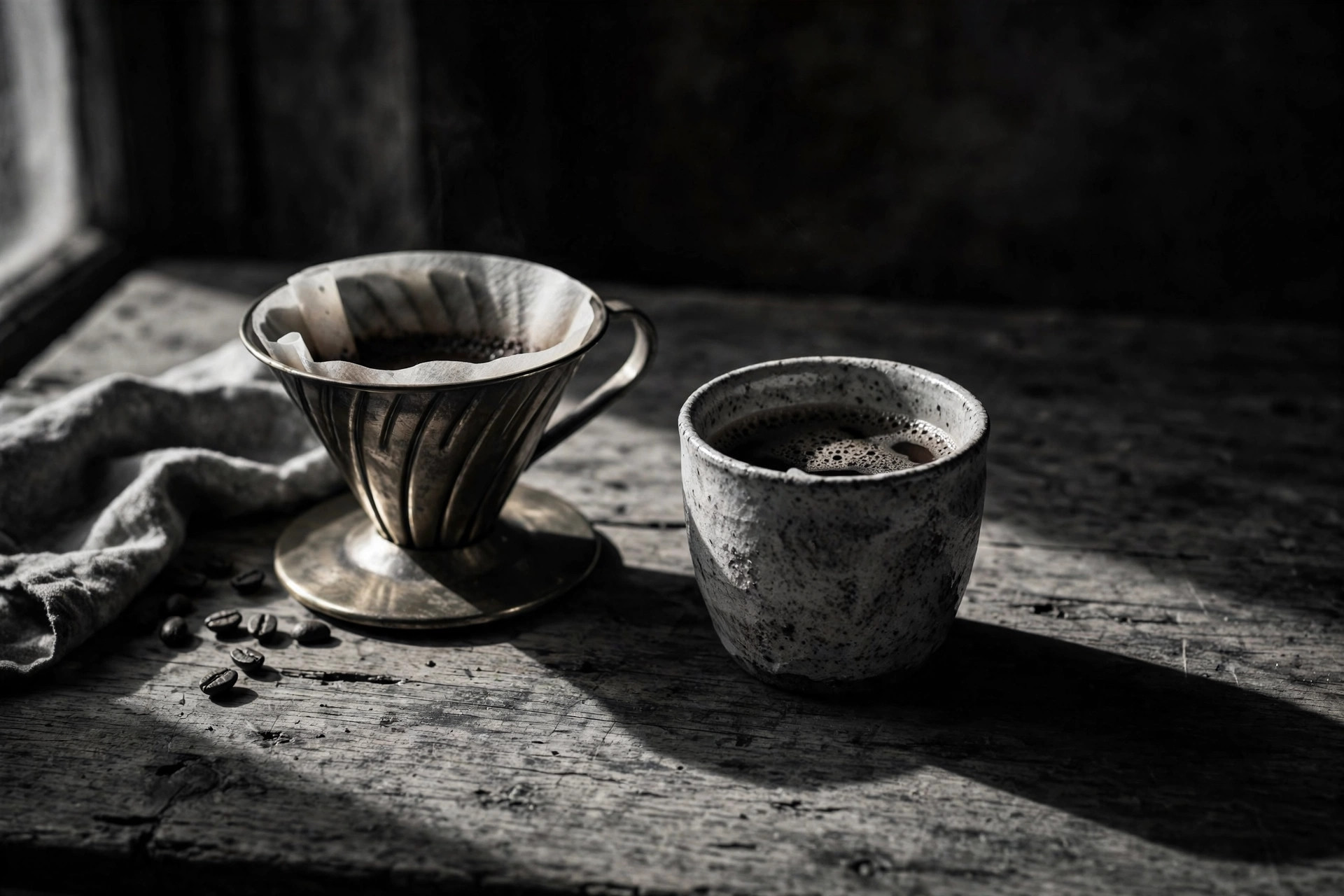
At 196°C the roaster gives its first crack, like a page being gently torn. We don't chase dark roast's "richness" or light roast's "floral" label — we only record the curve of every batch, and let the beans decide what they want to become.
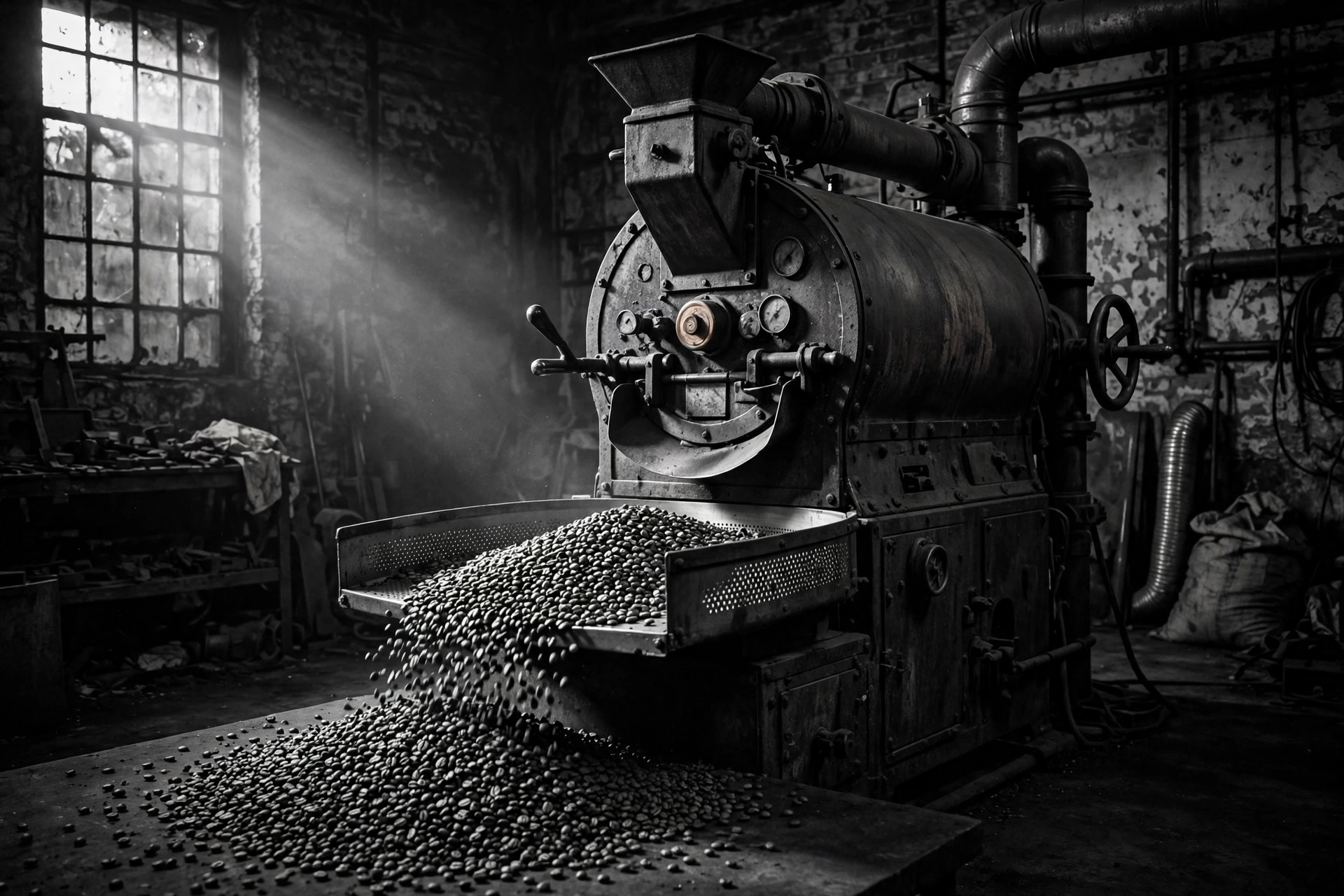
Roasted every Wednesday, on shelves Thursday. Beans never cross a week — anything older than seven days is demoted to the house blend; it never goes into a retail bag.
Every bag is stamped with its roast date, batch number, and the roaster's signature. This isn't marketing — it's basic print decency: sign your name, and stand behind what you wrote.
“We don’t make coffee — we just translate heat into sentences you can drink.”— Wren Margins, Founder —
Chapter Three
A quiet room
The Room
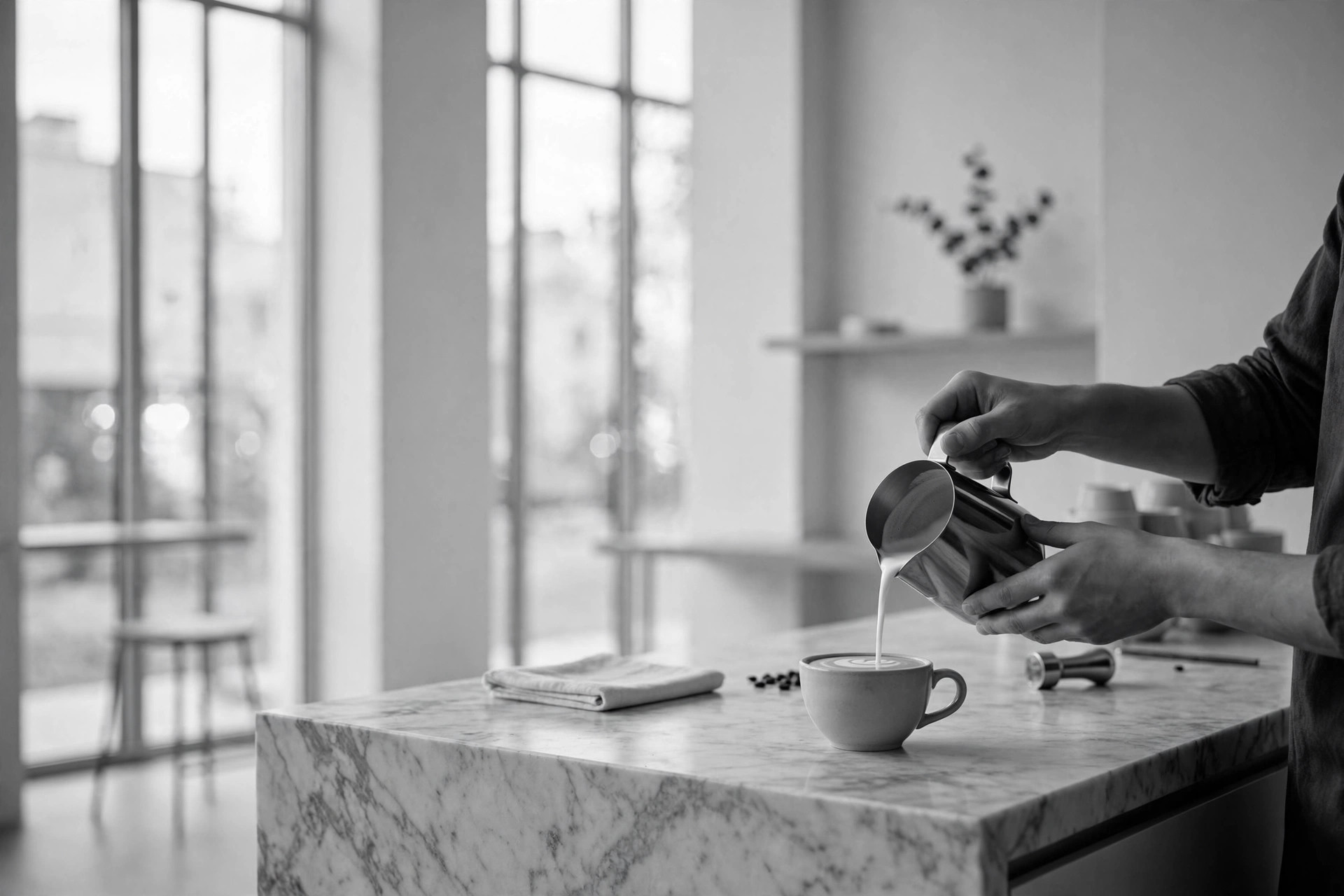
No chart music, no selfie wall. Long tables, big windows, newspapers you can spread open — we've made the café look like a reading room.
Every table holds the current issue of the Marginalia broadsheet: this month's beans, roast curves, and a short essay on one origin. Take it with you — no charge.
Subscription
Get the next issue
delivered to your door.
One bag of seasonal beans + one issue of the Marginalia broadsheet every month. Shipped on roast day — the beans reach you within 72 hours of the roast.
Subscribe →